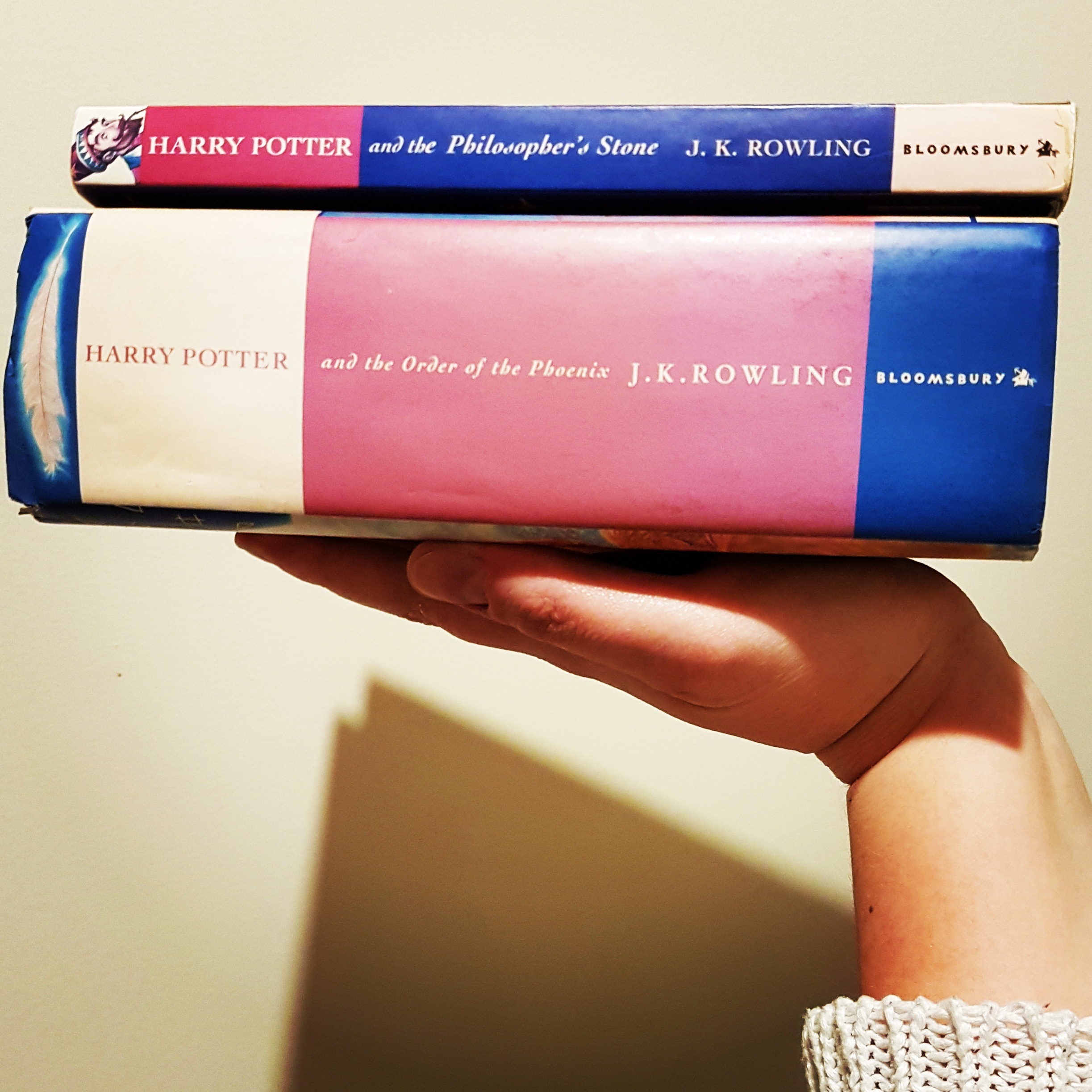
How long is a book?
This is a question I first asked the internet at around age 14, after finishing my then-masterwork of epic fantasy (spoiler: not actually a masterwork of epic fantasy).
The internet answered: Um. It’s complicated.
Now, keep in mind that the internet then was not the internet of now, when indie publishing has made this question (a) a lot more commonly asked and (b) a lot more commonly answered. Note that I didn’t say I googled the question, because I’m not sure I was actually using Google back then. (My introduction to Google came from one of my classmates at around this same age:
“Hey, there’s this really great search engine you should check out called Google.com”
Me: “How do you spell that?”)
So today, if you ask the internet how long a book is, it will tell you: Um. It’s complicated. That’s because there isn’t actually a standard length for books. Exhibit A:

In terms of novels – adult novels – around 40,000 words is where the starting point gets drawn. The 70,000-100,000 word range is standard for most genres except epic fantasy, which tends to be 100,000 words minimum, and some subgenres of romance that tend to run shorter.
I looked up wordcounts of a random assortment of books I like, and you can see how much they vary.
| Book | Wordcount |
| Harry Potter and the Philosopher’s Stone by J.K. Rowling | 77,325 |
| Faro’s Daughter by Georgette Heyer | 88,743 |
| Storm Front by Jim Butcher | 86,961 |
| Mort by Terry Pratchett | 94,240 |
| The Hobbit by J.R.R Tolkien | 95,022 |
| Pride and Prejudice by Jane Austen | 120, 697 |
| Uprooted by Naomi Novik | 143,840 |
| Twilight by Stephenie Meyer | 168,640 |
| A Game of Thrones by George R. Martin | 298,000 |
| The Way of Kings by Brandon Sanderson* | 387,000 |
Does word count matter? For print books, yes. The longer the book, the more it costs to print. There’s only so big you can physically make a paperback before it ceases to function as a book and becomes merely a blunt instrument. Hardbacks are more robust and can contain more words before they break under the strain, but they’re also more expensive to print than paperbacks. This is why the world has given us Brandon Sanderson’s The Way of Kings in two volumes. See also: George R. Martin (did I mention the 100k general starting point for epic fantasy?)
Does word count matter for ebooks? A smidgeon** maybe, but mostly no.
How long are my books? Well, they’re not yet finished so this is a preliminary wordcount:
The Lord of Stariel: 82k
The Prince of Secrets: 96k
The Court of Mortals: 110k
Book 4 Currently Nameless: 0, since I haven’t started writing yet. But otherwise, there seems to be a trend here…
*pretty sure Brandon Sanderson is an alien / robot / magic and as such is an outlier that should not be counted.
**From a dollar perspective, Amazon charges to deliver ebook files based on their size. Amazon.com charges US $0.15/MB, but since file size is way more affected by the number of images than the number of words, it’s not really an issue of ebook length per se.

